

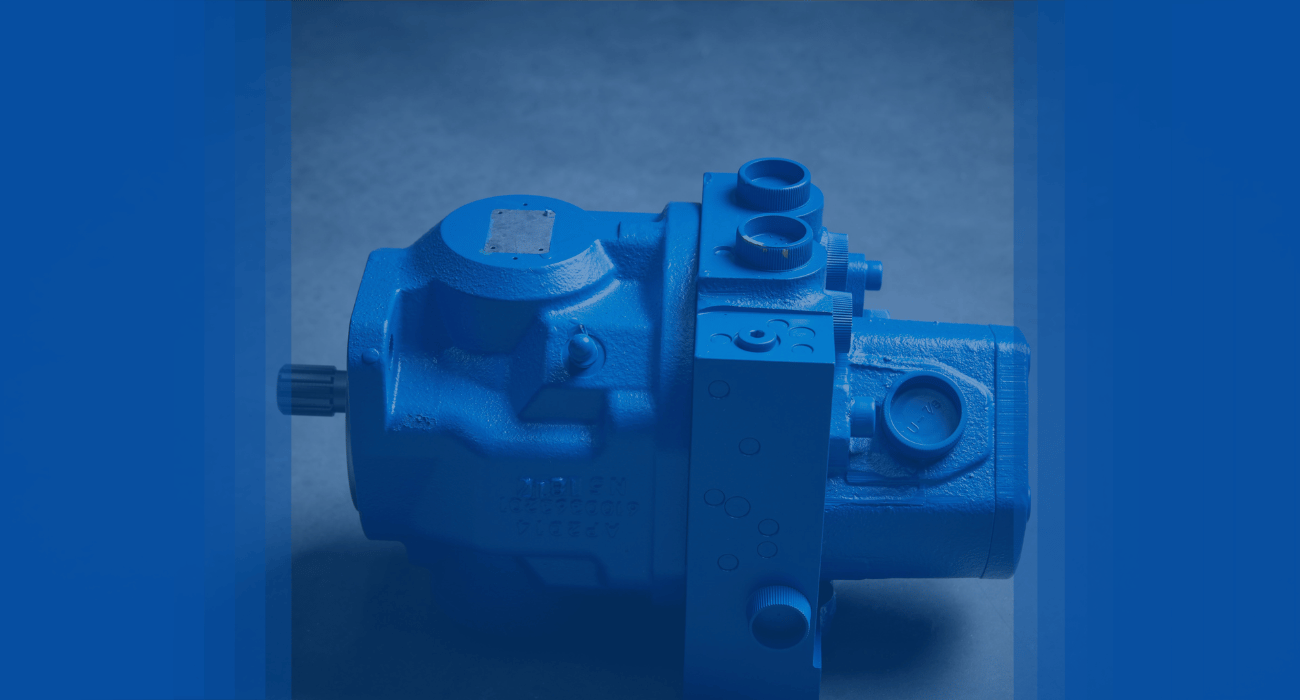
Preparation, Installation and Best Practice for your hydraulic pump
Hydraulic pump replacement involves more than removing a failed unit and fitting a new one. Identifying the cause of failure, thoroughly cleaning the hydraulic system and correctly installing all components are essential to protecting the replacement pump and restoring machine performance.
This guide covers the key stages of pump replacement, from fault diagnosis and system preparation to installation, commissioning and pressure checks, all driven by the insight and knowledge of our own technical and workshop teams.
Specialist hydraulic pump knowledge and support from Plant Parts
At Plant Parts, we combine specialist knowledge of hydraulic systems with extensive expertise in replacement parts, repairs and reconditioning. Alongside our stock of genuine and high-quality aftermarket hydraulic pumps, our dedicated workshop provides diagnostic, repair and testing services. This includes The Rig, our purpose-built hydraulic motor testing facility, where repaired motors are tested under load before dispatch.
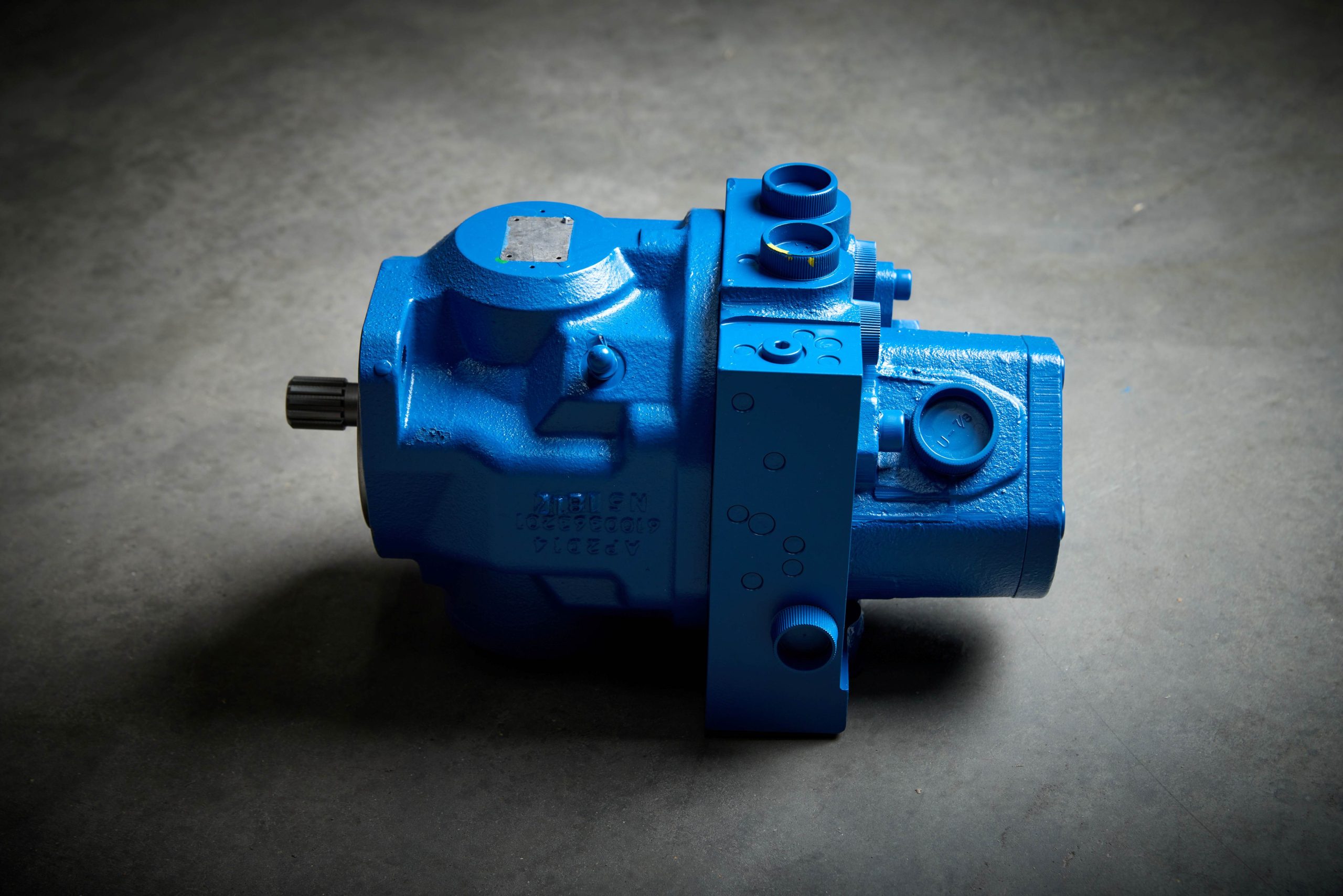
A step by step guide to relacing your hydraulic pump
Step 1 : Discover the cause of the hydraulic pump failure and fix it.
Identify the root cause of the hydraulic pump failure before carrying out repairs. This involves inspecting the pump and associated hydraulic system, checking for signs of wear, contamination, overheating or pressure-related damage.
Step 2 : Retract all cylinders.
Fully retract all hydraulic cylinders to return them to their starting positions. This helps relieve pressure within the system and prepares the machine for safe inspection and hydraulic pump diagnostics. Always follow the manufacturer’s instructions for the correct procedure.
Step 3 : Drain the tank.
Drain the hydraulic oil from the tank into a suitable container, following the manufacturer’s recommended procedure. Check the condition of the oil for signs of contamination, water ingress, metal particles or discolouration, as these may indicate the cause of the pump failure. Dispose of used oil safely and in accordance with environmental regulations.
Step 4 : Remove old hydraulic pump.
Disconnect the hydraulic hoses, pipework and electrical connections (where fitted), taking care to label connections to ensure correct reassembly. Remove the pump mounting bolts and carefully lift the pump clear of the machine. Inspect the surrounding connections, fittings and mounting surfaces for signs of damage, wear or contamination before fitting the replacement pump.
Step 5 : Clean and flush the hydraulic system.
Thoroughly clean and flush the hydraulic tank, pipework, hoses and associated components to remove any contamination, debris or metal particles left behind by the failed pump. Pay particular attention to filters, strainers and coolers, as contamination remaining in the system can quickly damage the replacement pump. Replace contaminated filters and any components that cannot be adequately cleaned. Ensure the system is clean and ready for installation of the new pump, following the manufacturer’s flushing procedure.
Step 6 : Replace all hydraulics filters and clean any gauzes.
Remove and replace all hydraulic filters with new filters of the correct specification. Thoroughly clean any gauzes, strainers and filter screens, removing any trapped debris or contamination. Inspect them for damage and replace where necessary. This helps prevent residual contamination from entering the new pump and ensures clean oil can circulate freely throughout the hydraulic system.
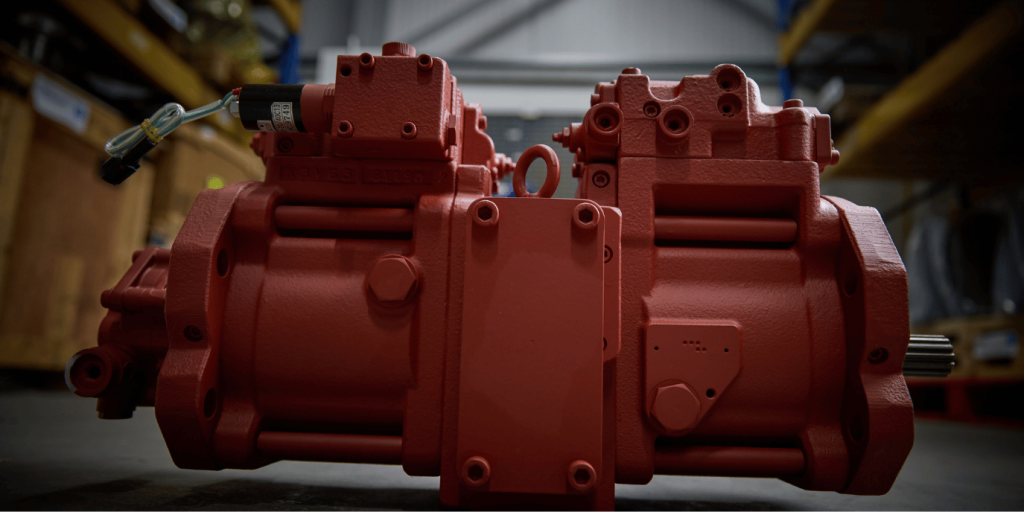
Step 7 : Mount, prime and connect the new hydraulic pump.
Carefully position and secure the replacement hydraulic pump, ensuring it is correctly aligned and mounted. Prime the pump in accordance with the manufacturer’s instructions before connecting the hydraulic hoses, pipework and any electrical connections. Check that all fittings are secure and connections are correctly positioned to prevent leaks.
Step 8 : Fill the tank with fresh oil.
Refill the hydraulic tank with clean, fresh hydraulic oil of the correct grade and specification for the machine. Ensure the oil meets the manufacturer’s requirements and fill to the recommended level. Take care to avoid introducing contamination during filling.
Step 9 : Bleed any air from the system.
Remove trapped air from the hydraulic system following the manufacturer’s recommended procedure. Operate the relevant controls carefully to circulate oil through the system and allow air to escape. Check the oil level during this process and top up as required. Trapped air can cause erratic operation, excessive noise and potential damage to the new pump.
Step 10 : Adjust regulators to the manufacturer’s specifications.
Check and adjust the hydraulic pressure regulators, relief valves and associated settings to ensure they meet the manufacturer’s specified operating pressures. Use suitable test equipment to verify the readings and make any necessary adjustments. Correct settings help ensure the pump operates efficiently and delivers the required hydraulic performance without being subjected to excessive pressure.
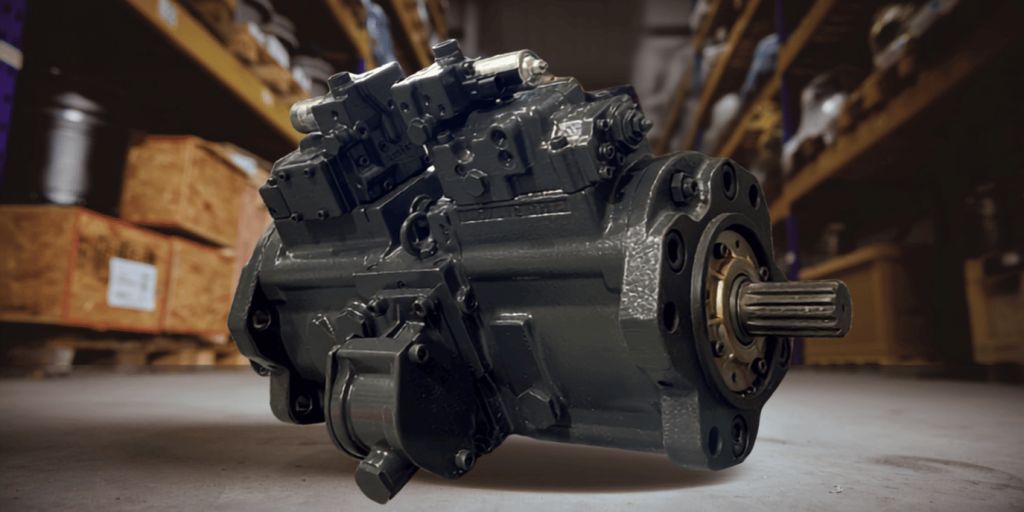
Search for spares and explore repair options using our parts finder
At Plant Parts, we stock an extensive range of genuine and high-quality aftermarket hydraulic pumps for leading excavator and backhoe loader manufacturers. We also supply a wide selection of individual pump components and cost-effective rebuild kits, with reconditioning and repair options available through our own specialist workshop.
With parts expertise covering over 300 heavy machinery brands, we have the stock, technical knowledge and advanced workshop capabilities to help find the right solution for your machine.
NOTE: This fitting guide does not replace the machine or pump manufacturers fitting instructions or guidance, and is intended as general good practice guidance only.
Following the correct procedures and manufacturer’s instructions helps prevent further damage and ensures reliable operation.
WARNING:
- The hydraulic pump will be damaged if not fitted correctly.
- The hydraulic pump should be fitted by a competent person.
- ALWAYS follow the machine or hydraulic pump manufacturers guidance and fitting instructions.
- All guarantees and warranties will be void if the hydraulic pump is not fitted correctly.
Please contact the workshop team or any one of our technical sales team if you have any questions about this guide, or need advice in sourcing or repairing a new part.
Call us +44 (0) 1473 820910
Email us [email protected]
WhatsApp (Text Only) +44 7762 142091